


Competing with big brands online can feel overwhelming for small businesses. Large companies have bigger budgets, established audiences, and extensive resources. Yet, the digital landscape has leveled the playing field. With the right strategies, small businesses can attract loyal customers, build strong visibility, and compete effectively without matching big-brand spending.
Leverage Agility as a Competitive Advantage
Unlike large corporations, small businesses can adapt quickly. This flexibility allows faster decision-making and experimentation.
Ways to use agility effectively:
- Test new marketing ideas without long approval cycles
- Respond quickly to customer feedback
- Adjust messaging based on real-time performance
Speed and adaptability often outperform size in digital markets.
Build a Strong, Authentic Brand Voice
Big brands often sound polished but impersonal. Small businesses can stand out by being genuine.
Focus on Authentic Storytelling
Customers connect with brands that feel human.
Strong storytelling includes:
- Sharing your mission and values
- Highlighting the people behind the business
- Communicating transparently and consistently
Authenticity builds trust, which is harder for large brands to replicate.
Create a Consistent Visual Identity
A clear, recognizable look strengthens brand recall.
Key elements to align:
- Logo and color palette
- Typography and imagery
- Tone across website and social platforms
Consistency makes a small brand appear professional and credible.
Target Niche Audiences Instead of Everyone
Big brands aim for mass appeal. Small businesses win by focusing on specific niches.
Narrow Your Target Market
Serving a defined audience allows deeper connections.
Effective niche strategies include:
- Specializing in a particular product category
- Solving a specific customer problem
- Catering to a local or interest-based community
A focused audience is easier and cheaper to reach.
Personalize Customer Experiences
Smaller customer bases allow more personalized interactions.
Examples:
- Personalized email campaigns
- Direct responses on social media
- Tailored product recommendations
Personalization increases loyalty and repeat purchases.
Use Content Marketing to Build Authority
Content is one of the most cost-effective ways to compete online.
Create Valuable, Educational Content
Helpful content positions your business as an expert.
Content ideas include:
- Blog posts addressing customer questions
- How-to guides and tutorials
- Short-form videos and social posts
Consistency matters more than volume.
Optimize for Search Engines
SEO helps small businesses compete without large ad budgets.
Focus on:
- Long-tail keywords with lower competition
- Local SEO optimization
- High-quality, relevant content
Over time, organic visibility becomes a powerful growth driver.
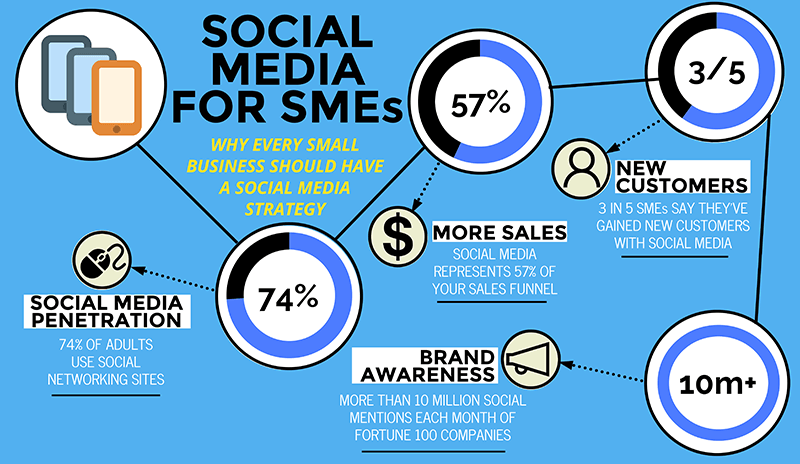
Make the Most of Social Media
Social platforms reward creativity and engagement, not just ad spend.
Choose the Right Platforms
You don’t need to be everywhere.
Select platforms based on:
- Where your audience spends time
- The type of content you can create consistently
- Your business goals
Depth of engagement beats platform quantity.
Engage, Don’t Just Promote
Small businesses thrive on relationships.
Effective engagement includes:
- Responding to comments and messages
- Highlighting customer stories
- Participating in relevant conversations
Community building strengthens brand loyalty.
Compete Smart With Paid Advertising
Small budgets can still deliver results with precision.
Use Targeted Advertising
Digital ads allow detailed targeting.
Best practices:
- Focus on specific demographics or interests
- Retarget website visitors
- Test small budgets before scaling
Efficiency matters more than reach.
Track and Optimize Performance
Data-driven adjustments keep costs under control.
Monitor:
- Click-through rates
- Conversion rates
- Cost per acquisition
Small improvements compound over time.


Deliver Exceptional Customer Experience
Customer experience is where small businesses can truly outperform big brands.
Key differentiators include:
- Faster, more personal support
- Clear communication
- Follow-ups after purchases
Satisfied customers become repeat buyers and brand advocates.
Use Partnerships and Community to Grow
Collaboration extends reach without large investments.
Growth opportunities include:
- Partnering with complementary businesses
- Collaborating with micro-influencers
- Participating in local or online communities
Shared audiences create mutual value.
Frequently Asked Questions
Can small businesses really compete with big brands online?
Yes. By focusing on niche audiences, personalization, and authenticity, small businesses can outperform larger competitors in specific areas.
What is the most cost-effective digital strategy for small businesses?
Content marketing and SEO are among the most cost-effective long-term strategies.
How important is branding for small businesses?
Branding is critical. A clear, consistent brand builds trust and makes a small business memorable.
Should small businesses invest in paid ads?
Yes, but strategically. Targeted and well-tracked ads can deliver strong returns even on small budgets.
How can small businesses stand out on social media?
By being authentic, engaging directly with followers, and sharing valuable or relatable content.
Is local marketing still important online?
Absolutely. Local SEO, reviews, and community engagement give small businesses a strong advantage in their area.
How long does it take to see results online?
Some tactics like paid ads deliver quick results, while content and SEO typically show significant impact over several months.
Small businesses don’t need to outspend big brands to succeed online. By leveraging agility, authenticity, and smart digital strategies, they can carve out loyal audiences and build sustainable growth in competitive markets.

Comments are closed.